Peterbald
Quick Facts
Size
large
Weight
3.5 - 7.0 kg
Coat
long
Energy
medium
Grooming
low
Compatibility
Breed Palette
Overview & Traits
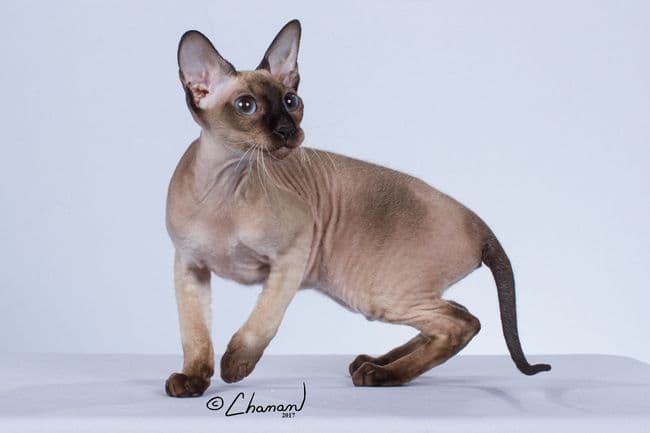
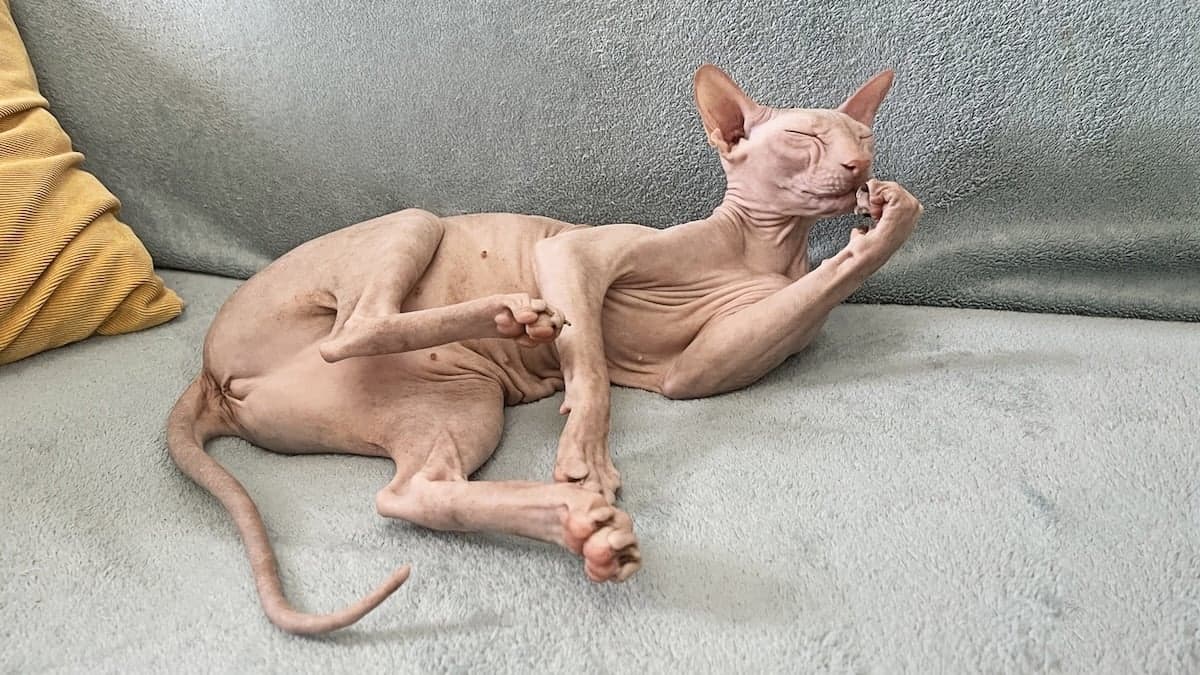
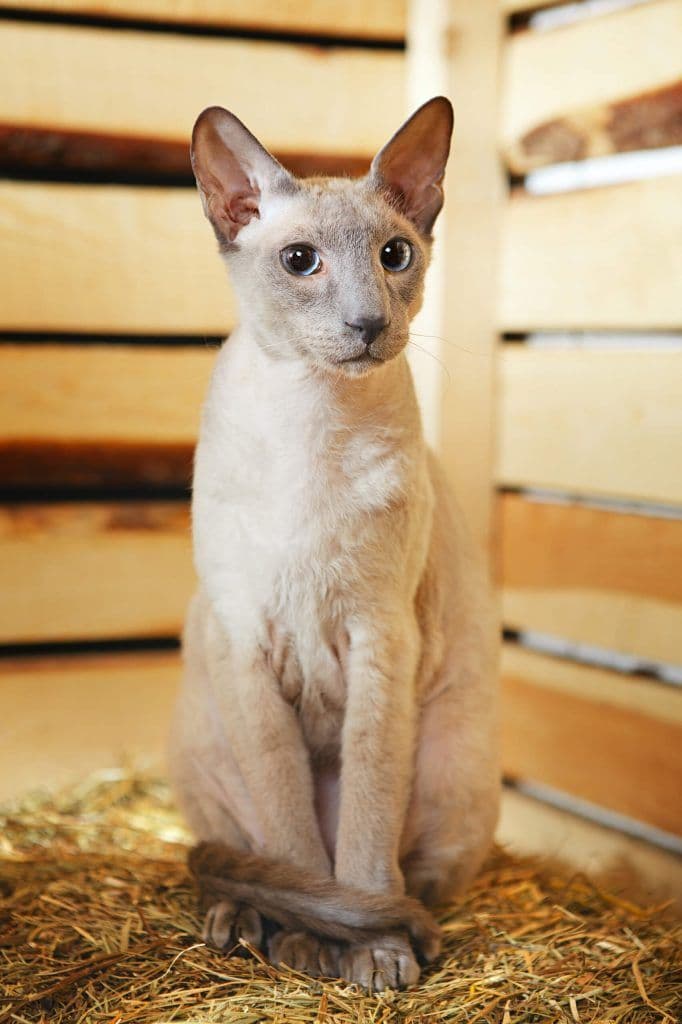
The Peterbald is a cat breed of Russian origin. Peterbalds have an elegantly slim graceful and muscular build. They have a narrow and long head with a straight profile, almond-shaped eyes, wedge-shaped muzzle, and big set-apart ears. They have a long whippy tail, and oval paws that allow them to grasp objects and open levered doorknobs. They are somewhat similar in appearance to Oriental Shorthair cats. They have a hair-losing gene and can be born bald, flocked, velour, brush, or with a straight-coat. Those born with hair, except the straight-coats, can lose their hair over time. The Peterbald comes in all colors and markings. Peterbalds are sweet-tempered, affectionate, peaceful, curious, smart and energetic. They are medium vocal and tend to follow their owners and always be with them. Peterbalds typically live in harmony with other cats and pets, and also with children. The Peterbald breed was created during the latter half of 1994 in St. Petersburg, Russia, the result of an experimental mating of a Don Hairless (also known as Don Sphynx, Donskoy or Donsky) male named Afinogen Myth and an Oriental Shorthair female World Champion named Radma von Jagerhov, by Russian felinologist Olga S. Mironova. The first two litters produced four Peterbald kittens: Mandarin iz Murino, Muscat iz Murino, Nezhenka iz Murino and Nocturne iz Murino. These four Peterbalds were the founders of the breed.
Trait Profile
Breed History
The origins of the Peterbald date back many decades, surrounded by fascinating lore and dedicated breeding programs. Early foundation cats were crossbred to solidify the standard traits we observe today. It quickly gained international recognition by the WCF and other major registries.
Living Needs
When it comes to the living environment, the Peterbald thrives in spaces where it can safely explore, play, and interact with its family. They benefit from vertical spaces like cat trees and regular mental stimulation. A balanced diet and routine veterinary check-ups are essential for their well-being.
Gallery Showcase